
Ever wonder which native fish belong in your UK pond—and why they’re way more vital than just pretty swimmers?
UK Native Fish: When you think of a UK pond, goldfish and koi might leap to mind—but Britain is brimming with colourful, native fish too often overlooked. These indigenous species aren’t just ecological mascots: they’re living proof of centuries of adaptation and natural heritage. With thousands of garden ponds dotted across the country—some estimates say around 3.8 million!—and countless field ponds
We’ve got a golden opportunity. Native fish maintain ecosystem health, support wild plants and invertebrates, and guard against invasive invaders messing things up. Still sceptical? Then read on. Here’s the definitive lowdown on the top 10 UK native fish you should know—and why they’re more than just fins and splashes.
Three-spined Stickleback (Gasterosteus aculeatus)
An adorable armored mini-warrior, ideal for small ponds with varied plant life. A classic nursery species, it boosts insect diversity.
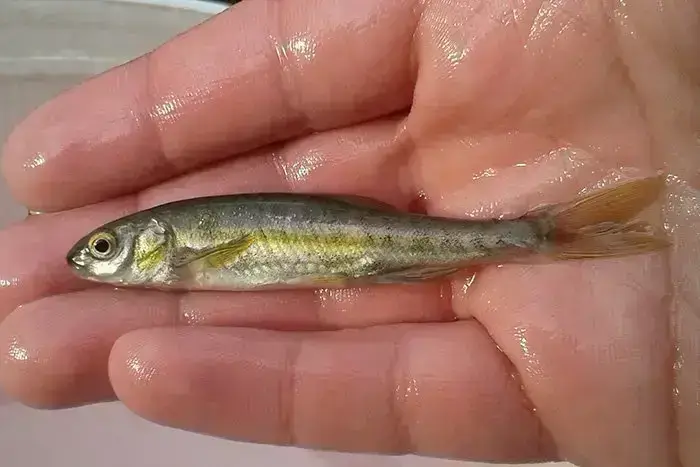
Minnow (Phoxinus phoxinus)
A darting, colourful minnow that thrives in clear, cool pond and stream margins. Their presence signals good water quality.
Pond Loach (Misgurnus fossilis)
A nocturnal bottom-feeder and scavenger that keeps the pond floor clear. They’re like aquatic janitors and surprisingly interesting to watch muddy the water foraging.
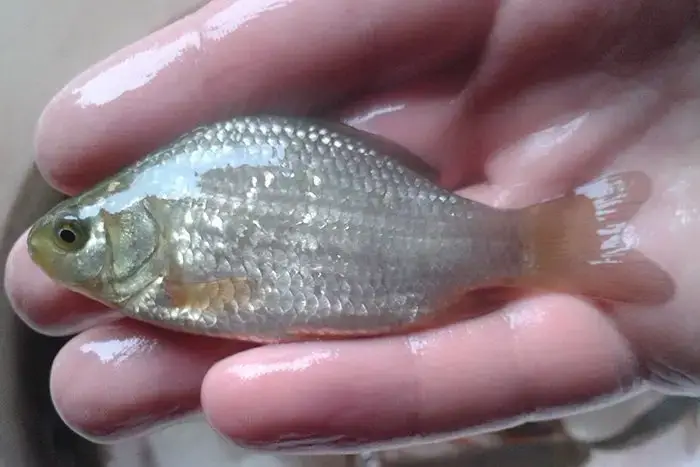
Crucian Carp (Carassius carassius)
A pond specialist under threat, partially due to hybridisation with released goldfish . Their slow, graceful movements and tolerance of low oxygen make them ideal for garden habitats.
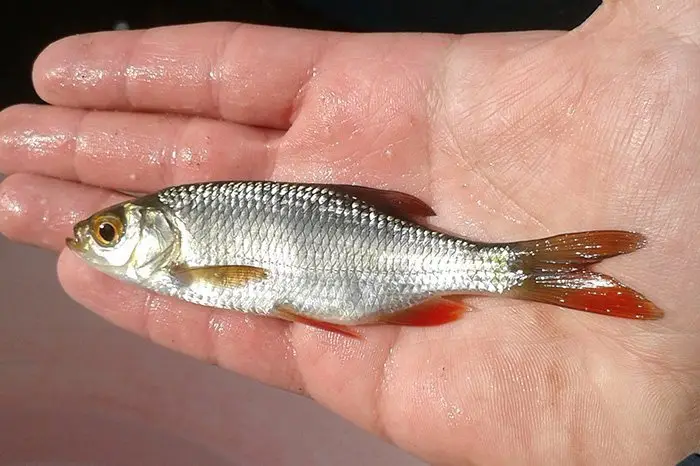
Rudd (Scardinius erythrophthalmus)
Beautiful, red-finned rudd add colour and enjoy plant-rich margins. They help manage algae by feeding on nyphaea and charophytes—finny gardeners!
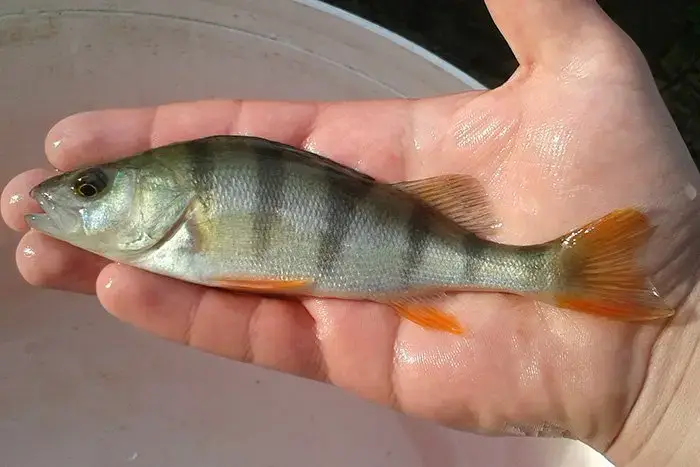
Perch (Perca fluviatilis)
Top predator in many ponds, but their populations need careful balancing. They feed on smaller fish, keeping the ecosystem in check.

Pike (Esox lucius)
A top-tier native predator that controls overpopulation—but too many and your nice little minnows become bird snacks. Only suitable for large ponds.
Eel (Anguilla anguilla)
Iconic and enigmatic—eel numbers have crashed globally but they still rely on small pond networks for part of their lifecycle.
Their presence boosts conservation value.
Bitterling (Rhodeus amarus)
A quirky little fish that uses freshwater mussels to lay eggs. A great indicator of clean, diverse environments.

Gudgeon (Gobio gobio)
Small, sociable bottom-feeders that stir sediment but support invertebrate populations. Perfect helpers in the pond food web.
Why They Matter: Key Reasons
Biodiversity Hotspots
Ponds support two-thirds of all native aquatic taxa
Native fish boost invertebrates, amphibians, and beneficial algae. Garden ponds—if well managed—can be mini conservation reserves.
Ecosystem Health
Native fish establish balanced food webs. They forage algae, control mosquitos, and fertilise the pond with nutrient-rich waste. Overuse of non-natives disrupts this harmony.
Preventing Invasive Takeovers
Non-native species (like signal crayfish or primeval pet goldfish) spread rapidly and mess up native communities . A thriving native fish population makes the pond less vulnerable.
Educational and Cultural Value
These fish connect us to our natural heritage. They’re untamed, wild, and historically native—and spotting a stickleback or gudgeon is more exciting than plastic koi.
Conservation and Pond Management
Targeted pond care—like maintaining depth, shade control, aquatic vegetation, and avoiding over-stocking—is essential to conserving these populations .
Case Study: Restoring a Farm Pond Network
A wildlife charity in the Midlands rehabilitated farmland ponds over five years: dredged silted ponds, planted native macrophytes, reduced surrounding shade, and removed invasive fish. Within three years, they recorded a 40% increase in native fish species—sticklebacks, gudgeon, and loach—alongside frogs, dragonflies, and water beetles. Crown achievement: the return of bitterling, previously wiped out.
–––
Case Study
Rewilding Ponds for Biodiversity
In Warwickshire, the local Wildlife Trust piloted a “Pond Revival Project.” Six small farm ponds, neglected for decades, were dredged and restocked with native species: sticklebacks, pond loach, and gudgeon. Habitat enhancements included planting emergent reeds, installing open shallow zones, and discouraging pike stocking. Within two years:
- Fish species increased from 2 to 7 native species
- Invertebrate diversity doubled
- Amphibian breeding rose by 60%
- Bird sightings (kingfisher and warblers) became regular
Farmers, initially sceptical of ‘murky water equals bad’, were surprised and delighted: pest insect numbers dropped and water quality improved. The Trust emphasised that low-cost pond restoration boosted nature and agricultural yields—a win–win scenario they termed “eco-productivity.” The project is now being replicated across the region, backed by Defra grants.
“Restoring native fish to garden ponds transforms puddling buckets into full-blown wildlife reservoirs.”
— Pond Conservation biologist, Freshwater Habitats Trust
Ready to make your pond a haven for native life?
DC Water Gardens offers locally sourced native fish, expert advice on pond planting, and restoration toolkits. Contact us today and help craft the next mini-wildlife revolution—right in your back garden.