
Is the Common Carp the Underrated King of British Garden Ponds?
They’re big, bold, and often unfairly branded as the brutes of the pond world. But is the Common Carp a misunderstood marvel or just a greedy bottom-dweller with no manners? Whether you’re new to pond life or you’re expanding your fishy empire, the Cyprinus carpio deserves a second look.
Known for their impressive size, adaptability, and almost Labrador-like friendliness, the Common Carp is a mainstay in UK garden ponds—and for good reason. This article is your all-in-one guide to understanding, keeping, and admiring these pond titans, brought to you by the aquatic aficionados at DC Water Gardens.
???? H2: Introducing the Common Carp
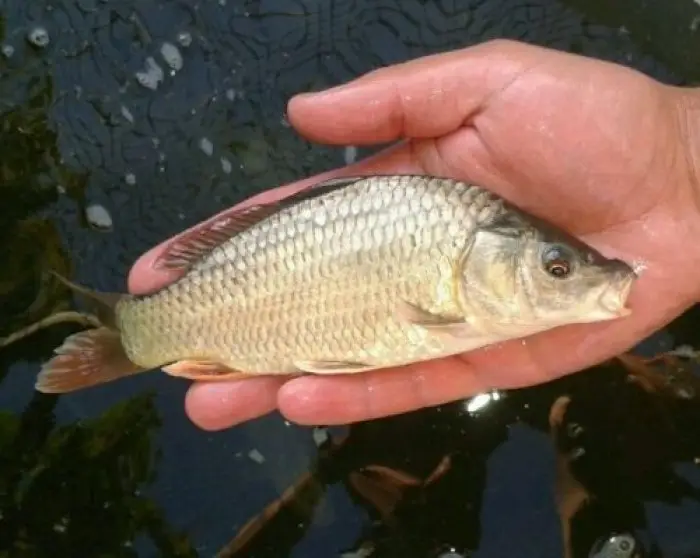
The Common Carp, or Cyprinus carpio, is one of the most widely recognised freshwater fish in the world. With its broad back, muscular build, and barbels on either side of its mouth, this species isn’t shy about its presence. What it lacks in elegance, it makes up for in size, strength, and sheer personality.
Often reaching up to 90cm in length, the Common Carp can dominate a pond not just physically, but behaviourally. These fish are clever, interactive, and full of character—especially if they associate you with feeding time.
Origins and Natural Habitat
Native to Europe and parts of Asia, the Common Carp has been kept and bred for centuries. In fact, its domestication dates back to Roman times—so if you’re keeping one, congratulations: you’re continuing a 2,000-year-old tradition.
Carp are incredibly adaptable and have spread worldwide, thriving in everything from managed fisheries to ornamental koi ponds.
Ideal Water Conditions
One of the reasons carp are so popular is their hardiness. These are not delicate prima donnas that keel over at the first sign of algae.
Water Parameters
- pH Range: 6.5 – 8.0
- Temperature Tolerance: 2 – 30°C (34 – 86°F)
- Water Type: Cold water to temperate
- Hardness: Moderate to hard
That said, just because they can survive less-than-perfect conditions doesn’t mean they should. A healthy, stable pond setup will ensure longevity and help carp reach their full potential.
Pond Requirements – Go Big or Go Home
Minimum Depth
- Absolute minimum: 4ft (1.2m)
- Ideal: 6ft (1.8m) or deeper
Why so deep? Because UK weather loves a surprise. Deep ponds buffer against sudden temperature changes, which carp are sensitive to—especially in winter or during late spring snaps.
Surface Area Matters
It’s not just about depth. Carp require space to roam. A large surface area provides better oxygen exchange and allows for those lovely, long swims that promote muscle growth and overall health.
In short, if you want your carp to thrive, not just survive, think of your pond as a gym with water lilies.
Feeding Your Carp – They’ll Eat Like Labradors
Common Carp are omnivorous hoovers. They’ll hoover up anything remotely edible and come back for seconds.
Daily Diet
- Small Carp: High-quality pond flakes or mini pellets
- Larger Carp: Pond pellets or floating sticks
Tasty Treats
They’re also partial to:
- Frozen foods (bloodworms, daphnia)
- Live foods (earthworms are a gourmet snack)
- Vegetables (try blanched lettuce or spinach)
- Prawns – they’ll love you forever
Feed once or twice daily in warmer months. In autumn, as the water cools, switch to a low-protein wheat germ-based food to support their digestion during seasonal slowdown.
Carp Behaviour – Smarter Than They Look
Carp aren’t just wet bricks with fins. They’re highly intelligent fish capable of learning routines and even recognising people. Some pond keepers report their carp surfacing for a scratch or swimming laps for attention.
This social behaviour makes them oddly charming. It also means they benefit from routine, structure, and occasional enrichment (try feeding in different areas of the pond or creating shaded hideaways with plants and rocks).
Are Common Carp Right for You?
Here’s the blunt bit: they’re not for everyone.
Ideal for:
- Gardeners with large ponds
- People who enjoy interactive fish
- Hobbyists interested in growing large specimens
- Those with the time and resources to commit to proper pond management
Not Ideal for:
- Small ornamental ponds
- Aquariums (except temporarily for young carp)
- Households looking for low-maintenance pets
If you want low effort, try a goldfish. If you want a dynamic, characterful pond that becomes a feature of your garden, Common Carp are your guys.
Growing On – From Aquarium to Pond
Here’s a neat trick: young carp actually grow faster in indoor aquariums due to controlled feeding and temperature.
But—and it’s a big but—this should be temporary. Once they get too large (typically over 15cm), they’ll need to move into a bigger environment. Stunting them in tanks can lead to health issues and poor development.
So, yes—use aquariums as nurseries, not lifelong homes.
Seasonal Care – Especially in Cold Climates
Carp may be hardy, but British winters can be a rollercoaster. Here’s what to watch for:
- Autumn: Switch to wheat germ food
- Winter: If the pond freezes, ensure there’s a hole for gas exchange
- Spring: Watch for parasites or infections as immune systems recover
- Summer: Oxygenate well—hot weather depletes oxygen fast
If your pond is deep enough and you’ve prepped well, your carp will weather the seasons just fine.
Case Study: Big Barry the Backyard Beast
“Barry” was bought from DC Water Gardens in 2021 as a humble 10cm juvenile. His owner, Pete from Kent, raised him in a heated indoor tank over the winter and moved him to a 12,000-litre pond the following spring.
Within two years, Barry had grown to over 60cm. He now patrols the pond like Poseidon in a scalesuit. Pete reports Barry swims over for food, chases ducks off his turf, and even lets his kids stroke him.
Lesson? Give your carp space, time, and love—and they’ll become the crown jewel of your garden.
“Keeping carp is like owning a golden retriever that lives underwater. They’re loyal, love their food, and grow to be absolute units if you let them.”
— Pete, DC Water Gardens Customer
Want your own underwater gentle giant? DC Water Gardens stocks premium Common Carp for all pond sizes, from fingerlings to ready-made showpieces. Visit us online or pop into our Basingstoke nursery and find the perfect pond companion today.