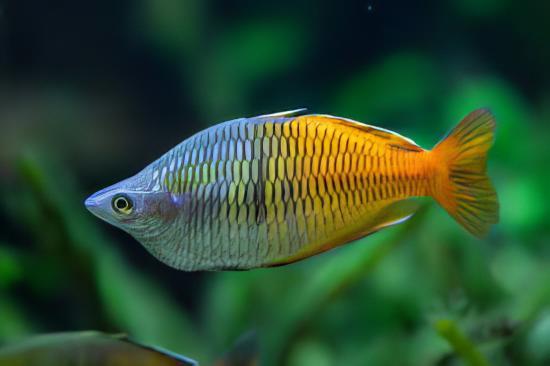
Are Barbel really pond fish—or are you asking for trouble?
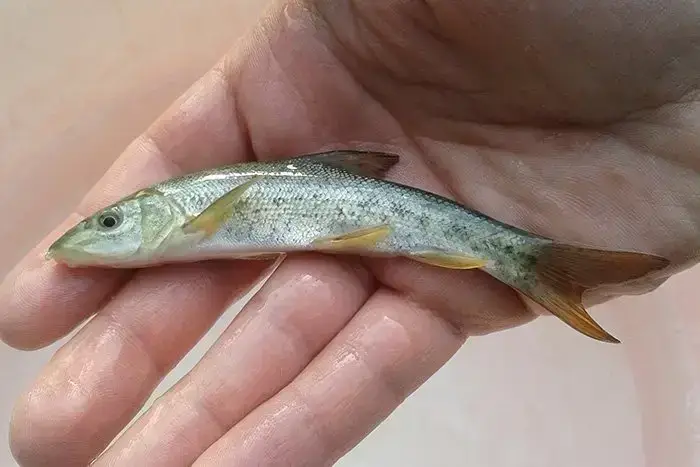
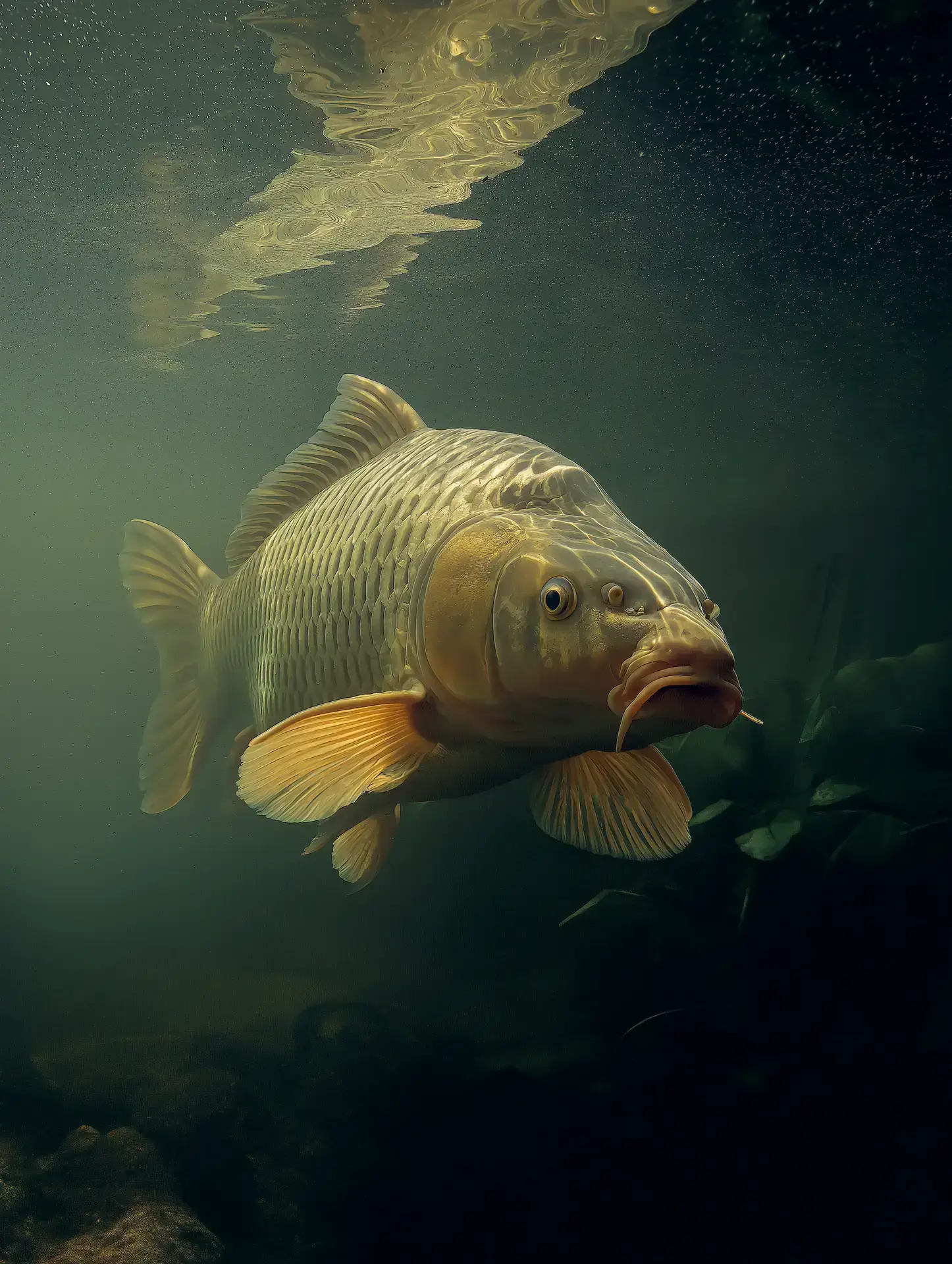
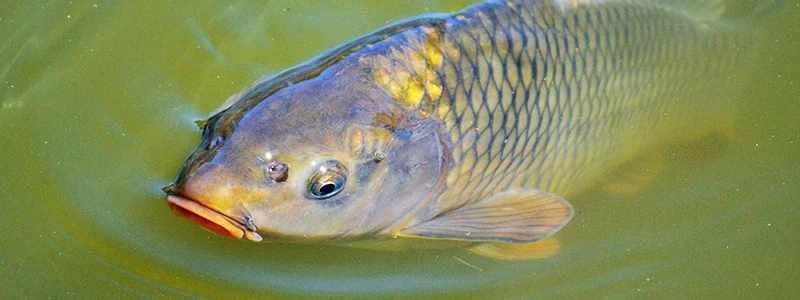
Barbel (Barbus barbus) are the weightlifters of British rivers—torpedo-shaped, whiskered, and built for fast, oxygen-rich water. They’re legendary among anglers, but far fewer people keep them in ornamental ponds. Should you? Possibly—if you can mirror their natural environment: cool, clean, highly oxygenated, and moving. Barbel aren’t delicate, but they are demanding about water quality and flow. They grow long (60–80 cm in spacious systems), feed heartily, and burn through oxygen like a steam train up a gradient. If your pond is a shallow, leaf-catching, summer-overheating puddle, this isn’t the fish for you. If your setup is deep, filtered, and fitted with waterfalls, spillways, or stream returns—now we’re talking.
This guide covers ideal water parameters, stocking, diet, filtration, aeration, health checks, and seasonal care—all from a practical, UK-centric viewpoint. We’ll also address the moral maze: Barbel are river fish first; success in ponds means designing the pond to behave like a river. If you’re building a new feature or upgrading an existing system and want an active, characterful shoal fish that won’t just mooch near the lilies, Barbel can shine. But you’ll need decent kit, patience, and the discipline to keep water pristine—especially in heatwaves.
Let’s get into the brass tacks: size, flow, temperature, and how to keep them powering around your pond like they own the place (because, let’s be honest, they will).
Water parameters & environment
Temperature: 4–20°C; sweet spot 10–16°C. Short spikes above 22°C are stressful—counter with shade, air pumps, and surface agitation.
pH: 7.0–8.0, steady.
Hardness: Moderate to slightly hard suits them. Stability beats perfection.
Oxygen:Critical. Use a high-turnover pump, venturi returns, waterfall weirs, or purpose aerators. Aim for visible surface agitation 24/7.
Flow: Think river corridor. Use directional returns to create a gentle current loop; Barbel like to hold station and cruise.
Pond size & stocking
Volume: Minimum 5,000–8,000 L for a small group; 10,000+ L preferred.
Depth: 1.2 m+ helps temperature stability and oxygen.
Substrate & decor: Smooth rounded gravel/pebbles, stable boulders, and open lanes. Avoid snaggy decor.
Shoaling: Keep 4–6+; Barbel are more confident and natural in groups.
Tankmates: Fast, coolwater species that don’t nip barbels (whiskers). Avoid slow fancy goldfish that will be outcompeted at feeding time.
Filtration & aeration
Turnover: 1.5–2.5x pond volume per hour.
Mechanical: Brush chambers, sieves, or drum filters to strip fines.
Biological: Mature moving-bed (K1/Hel-X) or big static media bay.
Aeration: Redundant air pumps with separate circuits. Add splash returns and spray bars.
Behaviour: Bottom pickers—feed after lights out if mixing with boisterous mid-water fish.
Seasonality: Below 10°C, reduce frequency; at 6°C and under, feed sparingly if at all.
Health & observation
Red flags: Gasping at surface, clamped fins, listless holding in slack corners (often oxygen/temperature stress).
Parasites: Check gill function and respiration; quarantine newcomers 3–4 weeks.
Injuries: Whisker (barbel) damage from rough gravel—keep substrate smooth.
Seasonal playbook (UK)
Spring: Ramp filtration; test ammonia/nitrite weekly; small frequent feeds.
Summer: Shade sails, extra air, night-time feeding; be brutal about blanket weed removal (it chokes flow).
Autumn: Leaf nets; maintain flow; reduce feeding as temps fall.
Winter: Keep a flow lane ice-free with aeration at mid-depth; don’t switch off the pump entirely unless system design requires it.
Ethics & legality
Source fish from reputable UK suppliers; never introduce to local waterways. Barbel are native but translocating pond fish is illegal and ecologically damaging.
Low oxygen events: Add emergency air; do a partial cool water change; aim returns at surface.
Heat stress: Shade, fans over waterfall, mist sprays on hottest afternoons.
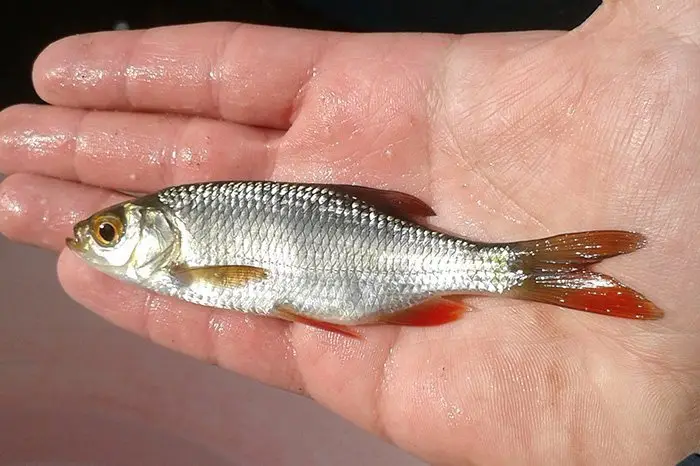
Case Study A Hampshire keeper built an 18,000-litre, 1.5 m-deep “river pond” with a 20,000 L/h pump feeding a stainless weir and a side return that created a lazy current loop. Stocking: 7 juvenile Barbel (12–15 cm), 10 Golden Rudd, 6 Orfe. Filtration: drum + moving-bed, twin air pumps on separate RCDs. Summer 2024 produced a nasty 30°C week; oxygen stayed stable thanks to round-the-clock aeration, misting the waterfall on peak afternoons, and switching feeding to late evening. Growth was steady—Barbel reached 24–28 cm by the following autumn, body condition thickened, and behaviour was textbook “river hold” around the faster sections. The only hiccup was blanket weed throttling flow mid-July; weekly manual removal plus a UV upgrade fixed it. Two years in, nitrate sits <20 mg/L, visibility is strong, and the Barbel remain robust, outcompeting sluggish fish at meal times without bullying. The keeper’s verdict: “They turned my pond into a living stream. More work? Yes. Worth it? Absolutely.”
“Build the pond for the fish—not the fish for the pond. Barbel reward proper flow and oxygen with show-stopping health.”
Ready to set up a river-style pond? Message us for a kit list (pump, air, filter) tailored to your volume and layout.
Our goal is to help people in the best way possible. this is a basic principle in every case and cause for success. contact us today for a free consultation.