
Is the Black Lionhead the velvet tuxedo of goldfish—or a water-quality diva?
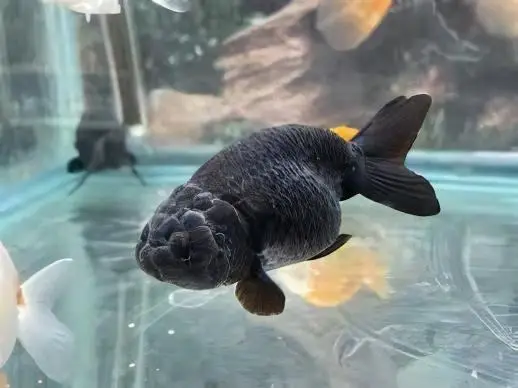
If the common goldfish is your comfy hoodie, the Black Lionhead Ranchu is the velvet tuxedo—sleek, dramatic and absolutely unforgiving if you cut corners. Ranchu (and their Lionhead cousins) have no dorsal fin, which gives that smooth, arched back and graceful “round-the-bowl” glide. It’s also why they need gentle flow, extra-considerate tankmates and water that doesn’t yo-yo in temperature or quality. The black morph looks sensational against pale sand and soft planting—but here’s the spicy bit: black pigment in goldfish is notoriously unstable. Over months or years many “black” fancies brown out or lighten, depending on genetics, lighting, background, diet and age. Your job is to slow that fade and keep the fish comfortable enough to show its best.
This guide covers the lot—from temperature and lighting to diets that actually help colour retention, filtration layouts that don’t batter slow swimmers, tank-mate politics, health and wen-care housekeeping, plus a practical case study from a UK keeper who reversed a colour fade without turning the tank into a disco. By the end, you’ll know exactly how to keep your tuxedo… well… tuxedo-black, not charcoal-ish on Tuesdays and ginger by Christmas.
What makes a Ranchu different (and fussier)?
Ranchu/Lionhead strains are intentionally bred without a dorsal fin. Lovely to look at; biomechanically compromised. Studies note dorsal-less goldfish swim more slowly, roll more and have less directional stability than normal-finned forms—translation: they’re rubbish at fighting currents and will tire quickly if blasted by a powerhead. Keep the flow broad and gentle (spray bar, lily pipe, or a wide waterfall return), not jet-stream “London Aquarium Rapid”. ufaw.org.uk
Their iconic headgrowth (wen) is another design feature to pamper. That plush cap can trap detritus and is prone to bacterial irritation in “meh” water. Good filtration, regular maintenance and sensible stocking do more for wen health than any magic potion you’ll see on TikTok.
Water: temperature, stability and oxygen
- Temperature: Aim 12–24°C, with a sweet spot around 18–22°C for indoor fancies. Stability beats perfection: rapid swings equal stress, floatiness, secondary infections and general drama. If your room drops hard in winter, run a small heater to keep the range steady rather than “cold one day, sauna the next.” Fancy goldfish tolerate “coldwater,” but not rapid fluctuations.
- Oxygen: Lionheads aren’t oxygen-black holes like sturgeon, but they still appreciate serious surface agitation—without turning the tank into a treadmill. Use a wide spray bar at the surface and at least one airstone you can crank during heat waves.
- pH & hardness: pH 7.0–8.0 is fine; keep it consistent. Moderate hardness helps buffer pH and avoid swings.
Pro tip: if your Ranchu hugs corners, clamps fins or “hangs” under the filter outflow, the flow is too punchy or the water is under-oxygenated. Fix the system, not the fish.
Lighting & colour management (how to slow that fade)
Black in goldfish is a mischievous pigment story. Genetics is the boss; you can’t feed or light a fish into a colour it never had. But you can support retention:
- Light: Use soft, indirect light. Bright, overhead spotlights can wash the look and encourage algae (which then forces you to nuke the lights, and round we go). Shaded areas and dark backgrounds help the eye read the fish as deeper black.
- Background & substrate: A dark background and pale, fine sand often make blacks look richer and silhouettes pop.
- Diet: Colour isn’t only skin deep—carotenoids (astaxanthin, canthaxanthin, beta-carotene) influence warm tones and overall vibrancy. While carotenoids won’t “create black,” balanced pigment nutrition supports healthy chromatophores and reduces that washed-out, sallow look. Choose a quality sinking pellet with declared pigment sources (krill meal, algae like Haematococcus for astaxanthin).
- Expect change: Even with best practice, some black morphs lighten with age or temperature regimes. That’s not failure; it’s biology. Manage expectations—and pick strong genetics up-front from a reputable breeder.
Filtration & flow: how to move water without moving the fish
- Filtration: Over-filter. A Ranchu is a compact poo-factory in a cocktail dress. Use oversized biological media (e.g., moving bed or large foams) and mechanical polishers to keep particulates off the wen.
- Returns: Fit a broad spray bar along the back glass, angled to ruffle the surface. Avoid “point-source cannons” that pin fish to the front panel.
- Turnover: Aim around 6–8× tank volume per hour in real-world flow, tamed by diffusers. You’ll see crisp water without a salmon ladder.
- Maintenance: Weekly 30–50% water changes. Ranchu are not “monthly water change” pets. Siphon detritus, swish pre-filters, keep the bio media oxygenated.
Tank size & stocking (and yes, your bowl is a crime scene)
RSPCA guidance (and common sense) both push you away from tiny tubs. Space isn’t just kindness, it’s chemical stability. Treat 50–75 L as a baseline for a single fancy with a plan to go larger (120–200 L) for groups—then oversize the filter so you’re never chasing ammonia spikes.
Stock slowly. Add one Ranchu, season the filter, then consider a friend. Ranchu do well in fancy-only communities—Fantails, Ryukin, Oranda, other Lionheads. Avoid torpedoes (Comets, Shubunkins), nippers and any fish that turns feeding time into the Hunger Games.
Feeding: sinking, structured, sensible
- Form factor: Sinking pellets or gel foods only. Floating pellets make fancies gulp air; air makes them buoyant; buoyant Ranchu pinwheel like a lost party balloon.
- Frequency: Small, frequent feeds—2–4 times per day—rather than a single, bloaty blow-out.
- Composition: 35–45% quality protein, mixed marine and plant sources; added carotenoids for overall colour support; a bit of veg fibre (blanched spinach/peas) to keep the gut civilised.
- Seasonality: In unheated rooms, reduce feeds as temperatures drop towards 14–16°C; digestion slows. Keep the water pristine and your hand light.
Health & the wen: keep the velvet clean
That glorious puffball on the head (wen) is living tissue. It doesn’t need trimming unless there’s a genuine medical obstruction (get a competent fish vet). Your day-to-day playbook:
- Pristine water: Most “wen problems” are water problems wearing a hat.
- Flow hygiene: Gentle, not stagnant. Dead spots breed biofilm that irritates skin.
- Observation: Check for fraying, white tufts, reddening. Early action—improve water quality first, then targeted treatment if needed. Quarantine new fish before they meet your black-tie residents.
Lighting & aquascape aesthetics (so it looks like a show tank)
- Scape: Minimalist, rounded décor, no sharp slate or rough lava that can scuff the wen or flanks.
- Plants: Hardy, broadleaf species (Anubias, Java fern on wood) survive curious mouth-testing better than delicate stems.
- Visual contrast: A matte black back panel plus pale sand gives a gallery-grade look where the Ranchu reads as inky and sculptural.
Pond-keeping the Black Lionhead (UK realities)
Can you keep a Black Lionhead outside? Yes—in deeper, very stable ponds with slow zones, zero aggressive tankmates, summer shade and winter protection. The risks: brutal temperature swings in shallow water and solar bleaching. Many keepers report better colour retention indoors or outdoors under canopies where light is bright but diffuse rather than direct, especially during July/August scorchers. If you try the pond route, provide calm coves, plant cover, and remember that fancy goldfish swim like toddlers in wellies—don’t design them a river.
Case study: “Operation Keep It Black”
Set-up: 240-litre UK living-room tank; two Black Lionhead Ranchu (7–8 cm), one Red & White Fantail (7 cm). Filtration via external canister plus internal polish filter; spray bar along the back. LED bar lighting on a 7-hour timer; room gets afternoon sun through French doors.
Problem: Over three months, both Lionheads faded from “deep espresso” to “brownish charcoal,” especially on flanks. Behaviour normal, tests clean (0 ammonia/nitrite, 20–30 ppm nitrate), temp swinging 19–23°C across each 24-hour cycle in a summer heat spell.
Interventions (Week 0–6):
- Light tamed: Added a sheer curtain to diffuse the afternoon beams and cut LED intensity by 20%. Introduced a matte black background to boost contrast.
- Diet upgraded: Switched from generic goldfish pellets to a sinking, pigment-support pellet with krill meal and algae-derived astaxanthin, plus two gel-food feeds per week and a leafy veg day.
- Temperature stability: Fitted a small inline heater at 20–21°C to clamp the daily swing.
- Flow hygiene: Re-angled spray bar to distribute current more evenly; added a discreet airstone at the opposite end for dissolved oxygen without extra push.
- Maintenance cadence: Water changes increased to 40% weekly with nitrate targeted under 20 ppm; pre-filter rinse twice weekly to keep fines off the wen.
Outcome: By week four the flanks looked notably darker; by week six both fish presented a more uniform “velvet” black, especially under soft side lighting. They’ll never be jet-black moors (genetics!), but the owner reports a consistent, handsome charcoal-black with glossy depth—no further fade through the rest of summer. The single Fantail remained a polite dining companion—no food theft, no fin-nipping, so the fancy-only rule stands vindicated.
Troubleshooting quickfire
- Fish keeps “bobbing” after meals: You’re feeding floating pellets or too much at once. Switch to sinking, split into micro-meals.
- Scraped wen / fin fray: Your décor is too sharp or the flow is making them pinball. Round off the scape; widen the spray bar.
- Persistent pallor: Check lighting (too harsh?), background (too light?), diet (no pigment sources?), and temperature swings. Then accept that some lines will lighten with age. AlgaGen Direct
- Outcompeted at feeding time: Target feed with a feeding ring or a short length of pipe to deliver pellets right where the Ranchu forage.
“Shade keeps the tuxedo black.”
Need a colour-preservation plan for your Black Lionhead Ranchu—lighting, scape, diet and flow mapped to your exact tank? Drop us a message and we’ll spec a gentle-flow filter layout, pigment-smart feeding routine and light schedule that keeps your fish looking red-carpet ready.
BUY TODAY – http://dc.ticcreative.co.uk/shop/tropical-fish/ranchu-goldfish/black-lionhead-ranchu-goldfish-carassius-auratus-5cm/